Kitchen Remodel FAQ for Columbus Homeowners
A kitchen remodel in Columbus involves planning, permits, and hiring licensed professionals. Costs vary depending on scope and materials, but no specific price range is provided. Consider local regulations and licensing requirements.
Part of the Small Kitchen Remodel guide for Columbus homeowners.
Before they contact you, we give you the pro's name and license number (Ohio Construction Industry Licensing Board (trades) + local registration) — verify it at elicense.ohio.gov.
We're lining up one Columbus kitchen remodel pro. We'll email you the matched pro's name within 1 business day. If we can't match you, we'll email you that too.
Updated
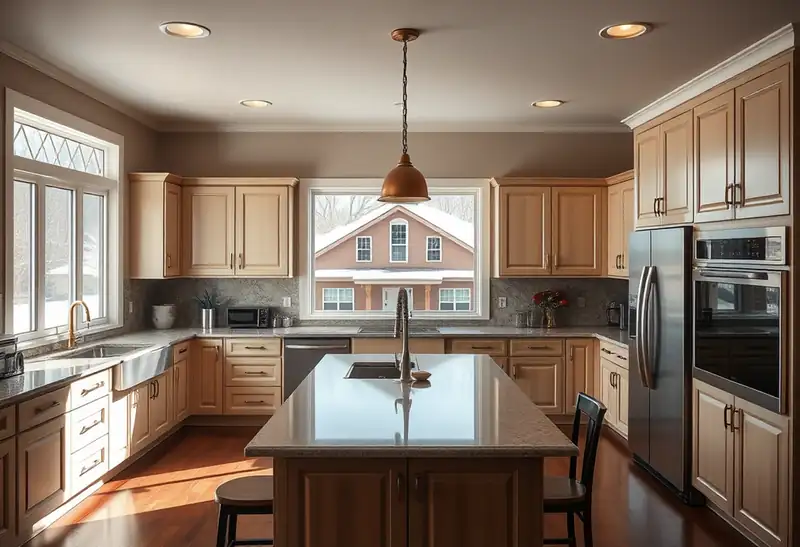
Options for Kitchen Remodels in Older Columbus Homes
Older Columbus homes offer unique opportunities for kitchen remodels, with options that blend historic charm with modern updates while adhering to current regulations and design preferences.
If you're remodeling a kitchen in an older home in Columbus, consider structural changes like removing a bearing wall, which requires a Home Improvement General Contractor license (Contractor Licenses (City of Columbus BZS)). This rule applies to any 1-3 family home undergoing significant alterations. Older homes may have unique layouts that allow for creative design choices, but always check with local guidelines before starting. For example, Columbus's population growth has increased by 3.5% over five years (Census Bureau Population Estimates (Vintage 2025)), meaning more homeowners are updating their kitchens to meet modern needs.
When working with older homes, be aware of how Columbus handles permits and inspections for structural changes. If your project involves electrical upgrades, new circuits must be approved since minor repairs like reinstalling plug receptacles are the only permit-exempt work (Residential Code of Ohio (OAC 4101:8), effective July 1, 2019). This ensures that all modifications meet current safety standards, even in older properties. Keep in mind that Columbus charges a re-inspection fee of $175 if any issues arise during the process (City of Columbus BZS 2026 Combined Development Related Fee Schedule), so planning for this can help avoid unexpected costs.
Permit Requirements for Columbus Kitchen Projects
Permit requirements in Columbus vary depending on whether a home is older or newer, with specific rules for kitchen projects that involve structural changes or electrical work requiring approvals.
In Columbus, permit requirements differ between newer and older homes. For example, the Residential Code of Ohio (RCO) applies to 1-, 2- and 3-family dwellings under the 2019 RCO (Columbus BZS: Getting Started, Commercial & Residential Codes), while other buildings follow the 2024 Ohio Building Code. This distinction affects how permit applications are processed for kitchen projects, especially if they involve structural or electrical changes. Older homes may need more detailed inspections due to outdated materials or systems that no longer meet current code standards.
Columbus charges a fee of $385 for 1-3 family alteration or accessory structure permits (City of Columbus BZS 2026 Combined Development Related Fee Schedule), which includes two inspections. This applies even if the work is minor, such as installing new countertops or cabinets, as long as it involves structural changes. Permits are tracked through the Citizen Access Portal (City of Columbus BZS 2026 Combined Development Related Fee Schedule), and fees are generally non-refundable once submitted (City of Columbus BZS 2026 Combined Development Related Fee Schedule). If re-inspections are needed, they cost $175 per visit (City of Columbus BZS 2026 Combined Development Related Fee Schedule), so it’s important to plan ahead for potential delays or additional costs.
Permit rules from Columbus BZS: Getting Started, Commercial & Residential Codes. Rules change — confirm with the Columbus building/permit office before you start.
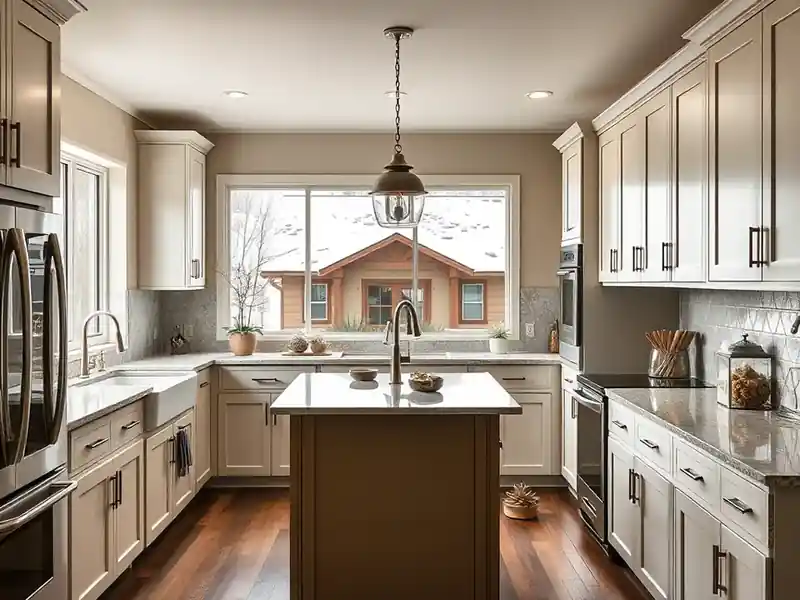
Kitchen Remodels in 1980-Era Columbus Homes
Remodeling kitchens in 1980-era Columbus homes requires attention to building codes and materials due to their age and construction standards from that time period. These homes are common, with about half of Columbus housing built before 1980.
Homes built in the 1980s make up the median year for Columbus housing units (ACS 5-year 2020-2024, B25035 Median Year Structure Built). This means many kitchens may have outdated plumbing, electrical systems, or cabinetry that need updating. If you're remodeling, consider replacing old wiring and ensuring new appliances meet current safety standards. Older homes also fall under EPA lead-safe rules if they were built before 1978 (ACS 5-year 2020-2024, B25034 Year Structure Built). These regulations apply when disturbing paint during renovations, so proper precautions are necessary to avoid health risks.
Approximately 50% of Columbus housing units were constructed before 1980 (ACS 5-year 2020-2024, B25034 Year Structure Built), making this a common era for homeowners looking to update their kitchens. If your home is in this category, you may need to upgrade insulation or heating systems that align with today’s energy efficiency standards. Additionally, many of these homes are owner-occupied, meaning you're likely working within a private residence rather than a rental property (ACS 5-year 2020-2024, B25003 Tenure). This can influence how you approach the renovation in terms of long-term use and investment.
Best Times for Kitchen Remodels in Columbus
The best times to remodel kitchens in Columbus depend on the age of your home, with newer homes potentially offering more flexibility than older ones due to different weather and climate conditions.
Columbus experiences significant seasonal variation, including an average of 41.57 inches of precipitation annually and 28.2 inches of snow (NOAA NCEI U.S. Climate Normals 1991-2020, Columbus John Glenn Intl (USW00014821)). Remodeling during drier months like spring or early fall can reduce delays caused by wet weather. Additionally, the city’s heating degree days total about 5,233 per year, suggesting that colder months may require more attention to insulation and HVAC systems before starting a kitchen remodel (NOAA NCEI U.S. Climate Normals 1991-2020, Columbus John Glenn Intl (USW00014821)).
Homes built after 2010 make up about 12% of Columbus housing units (ACS 5-year 2020-2024, B25034 Year Structure Built), and these newer homes are likely equipped with more modern infrastructure. This can simplify renovations compared to older homes, which may require additional upgrades to meet current standards. In contrast, homes constructed before 1980 might need extra steps like lead-safe painting practices or updated electrical work (ACS 5-year 2020-2024, B25034 Year Structure Built). These factors make timing a key consideration for planning your project.
Related for Columbus homeowners: How to Choose Cabinet Refinishing.
Hiring Professionals for Columbus Kitchen Projects
In Columbus, hiring professionals for kitchen projects requires specific city licensing to ensure compliance with local building codes and regulations, affecting how work is managed and who can perform it.
Columbus mandates that any structural changes in a kitchen remodel, such as removing a bearing wall, must be handled by a licensed Home Improvement General Contractor (Contractor Licenses (City of Columbus BZS)). This contractor must also subcontract all work to city-licensed specialists and post a $25,000 bond (Contractor Licenses (City of Columbus BZS)). These requirements ensure that all electrical, plumbing, and mechanical work is performed by qualified professionals who meet Ohio’s licensing standards (Contractor Licenses (City of Columbus BZS)). Additionally, journeyperson plumbers must be separately licensed under Columbus City Code 4114.107, preventing unlicensed individuals from handling plumbing tasks (Contractor Licenses (City of Columbus BZS)).
To qualify as a Home Improvement General Contractor in Columbus, applicants must pass the Ohio Home Improvement Contractor exam with at least 70% and have three years of hands-on experience (Contractor Licenses (City of Columbus BZS)). This ensures that only experienced professionals are managing complex kitchen projects. Contractors working on existing single- to three-family homes cannot avoid these requirements, as they apply to all structural alterations (Contractor Licenses (City of Columbus BZS)). These licensing rules help maintain quality and safety in home improvement work across Columbus.
When Small Fixes Work for Columbus Kitchens
In Columbus, small kitchen fixes can be done without permits if they fall under Ohio's RCO exemptions, but larger changes require professional oversight and city approval to comply with regulations.
Work such as cutting walls or removing structural supports must be avoided without permits (Residential Code of Ohio (OAC 4101:8), effective July 1, 2019). For plumbing, only minor leak repairs and stoppage clearances that don’t involve rearranging fixtures or valves are allowed without a permit (Residential Code of Ohio (OAC 4101:8), effective July 1, 2019). Any hidden pipe replacement, however, is considered new work requiring city approval.
Electrical fixes in Columbus kitchens also have limitations; reinstalling plug receptacles or replacing breakers with identical models can be done without permits, but adding new circuits requires professional oversight and a permit (Residential Code of Ohio (OAC 4101:8), effective July 1, 2019). Work must begin within one year of obtaining a permit, and any project involving multiple trades counts as one project for timing purposes (Get or Track a Building Permit (City of Columbus BZS)). If unsure about whether a task qualifies for exemption, it is best to consult with a licensed contractor in writing before proceeding.
Step-by-Step Process for Columbus Kitchen Remodels
Columbus kitchen remodels follow specific steps, starting with code compliance and permit submission through the Citizen Access Portal. The process includes submitting detailed plans, adhering to building codes, and meeting deadlines for work commencement.
Begin by checking which building code applies: Columbus uses the 2019 Residential Code of Ohio (RCO) for most residential dwellings and the 2024 Ohio Building Code for other buildings (Columbus BZS: Getting Started, Commercial & Residential Codes). Plan submissions must include two sets of plans, a scope of work, and MEP details showing new plumbing fixtures and the electrical panel (1, 2 and 3 Family Residential Plans (City of Columbus BZS)). All applications are submitted through the Citizen Access Portal, where eligible project types are listed under the Purchase Permit link (1, 2 and 3 Family Residential Plans (City of Columbus BZS)). Building fees are non-refundable and due at submission, per City Code sections 4103.14, 901.01, and 4113.17 (City of Columbus BZS 2026 Combined Development Related Fee Schedule).
Once a permit is issued, work must begin within one year, with no more than six months of stalling; related permits for building, mechanical, electrical, and plumbing are considered part of the same project for expiry purposes (Get or Track a Building Permit (City of Columbus BZS)). The Columbus Building and Zoning Services office at 111 N Front Street handles permit inquiries and tracks applications on the Citizen Access Portal (City of Columbus BZS 2026 Combined Development Related Fee Schedule).
What a fair written quote should state
- Includes cost breakdown for labor, materials, and permits (City of Columbus BZS 2026 Combined Development Related Fee Schedule)
- States that subcontractors are licensed and bonded
- Notes if historic district rules apply (1, 2 and 3 Family Residential Plans (City of Columbus BZS))
- Specifies any lead-safe requirements for pre-1978 homes (www.epa.gov)
- Mentions compliance with Columbus electrical and plumbing codes (Contractor Licenses (City of Columbus BZS))
Check the Ohio Contractor Licensing Board (OCILB) to confirm a contractor holds valid licenses for their trade, as required by Columbus city law (Contractor Licenses (City of Columbus BZS)).
When DIY Works for Columbus Kitchens: A Columbus re-inspection is listed at
If your project involves minor updates like painting or replacing fixtures, you may not need a pro. However, structural changes, electrical or plumbing work must be done by licensed contractors (Contractor Licenses (City of Columbus BZS)). Always seek a repair-only quote for complex tasks to ensure compliance with local laws and safety standards.
Next Steps After Planning: Building and Zoning Services is at
- Review local permit requirements and historic district rules.
- Verify the contractor’s license and bond status.
Common Questions Homeowners Ask: The Residential Code of Ohio lists
How much does kitchen remodel add to home value in Columbus?
A kitchen remodel can increase home value by improving functionality and aesthetics, but exact figures vary. Older homes may see different returns based on their condition and market trends. Consider local demand and remodeling scope.
Does kitchen remodel questions, answered for columbus need a city permit in Columbus?
No, not for smaller jobs: Permit-exempt electrical work under Ohio's RCO is limited to items such as reinstalling plug receptacles, like-for-like breaker replacement and minor repairs, so new kitchen circuits need approval (Residential Code of Ohio (OAC 4101:8), effective July 1, 2019).
How do I check a kitchen remodeling pro's license before hiring in Columbus?
Verify the contractor has passed the Ohio Home Improvement Contractor exam and holds a valid license. Confirm they have posted a $25,000 bond and subcontracted work as required by city law (Contractor Licenses (City of Columbus BZS)). Use official licensing resources for verification.
Does lead-safe work apply to older Columbus homes in areas with more than 425,182 housing units?
Lead-safe practices may be required for homes built before 1978. Since 12% of Columbus homes were built by 1939 (ACS 5-year 2020-2024, B25034 Year Structure Built), consult a licensed professional to determine if lead abatement is necessary during remodeling.
Guides for Columbus homeowners
Get matched with one Columbus pro
Before they contact you, we give you the pro's name and license number (Ohio Construction Industry Licensing Board (trades) + local registration) — verify it at elicense.ohio.gov.
Page history
- — Updated 7% of the text
- — Updated 97% of the text; new sections: Options for Kitchen Remodels in Older Columbus Homes, Permit Requirements for Columbus Kitchen Projects, Kitchen Remodels in 1980-Era Columbus Homes; removed: Kitchen questions answered for Columbus remodeling choices, What in Columbus changes a kitchen remodel questions, answered for columbus job, What Columbus rules say about permits for kitchen changes
- — Updated 97% of the text; new sections: Kitchen questions answered for Columbus remodeling choices, What in Columbus changes a kitchen remodel questions, answered for columbus job, What Columbus rules say about permits for kitchen changes; removed: Options for Kitchen Remodels in Older Columbus Homes, Permit Requirements for Columbus Kitchen Projects, Kitchen Remodels in 1980-Era Columbus Homes
- — First version
Content changes only; spelling and layout fixes are not listed.